BarnX insights
The Feed Mill Brief
Practical intelligence for feed mills, from grain markets and production to dispatch and delivery.

More on the desk
Courtesy of BarnX
Feed & Livestock
The Hidden Caloric Cost of Pellet Fines
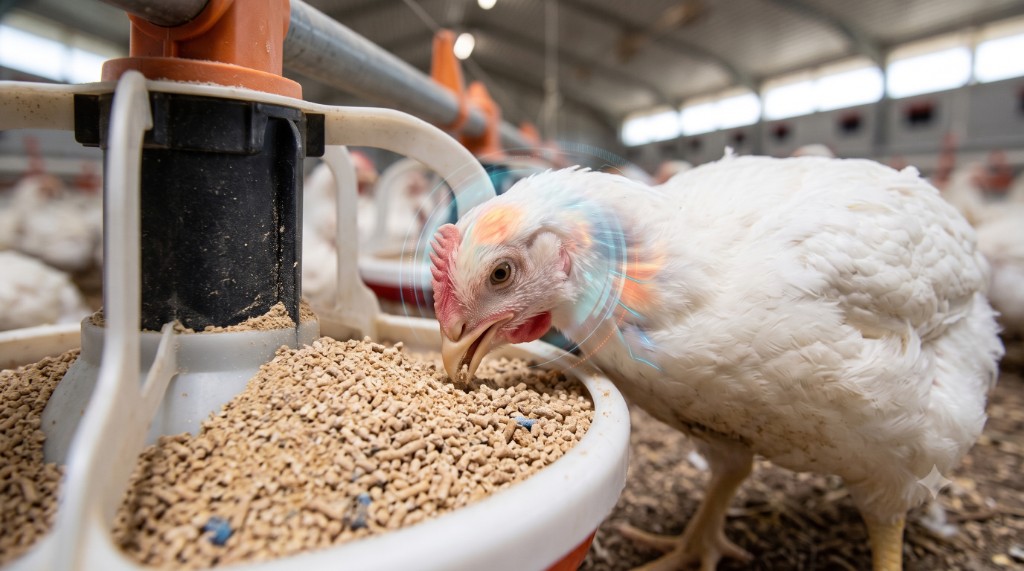
Fines are often treated as a handling nuisance. Effective Caloric Value research shows they can also drain up to 187 kcal/kg of apparent metabolizable energy through the physical effort of eating—changing FCR even when the formula on paper looks strong.
Courtesy of BarnX
Logistics & Delivery
Broken Pellets Nearly Tripled. The Durability Test Barely Moved.
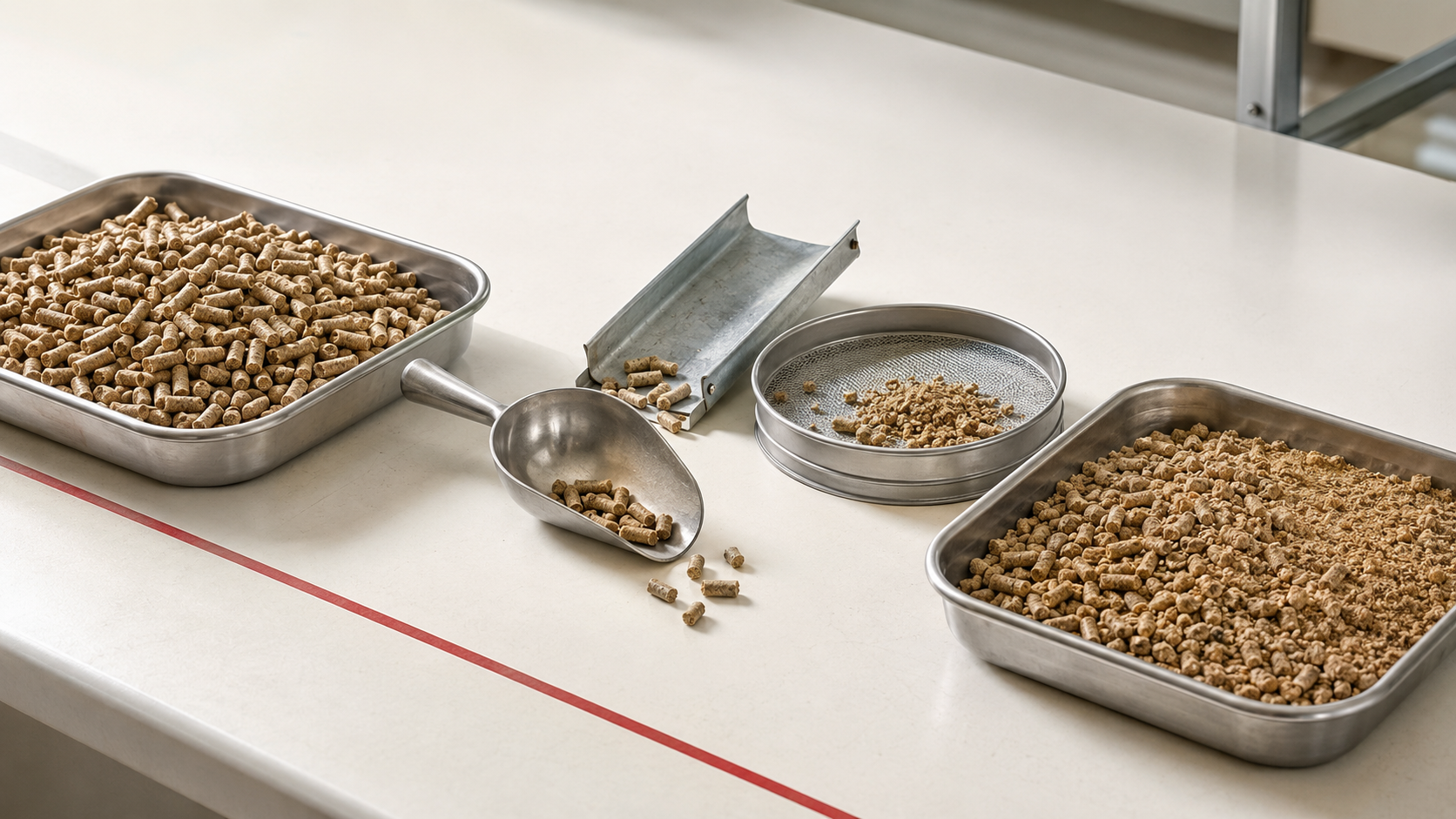
A pellet durability index can remain high while the share of broken pellets in the load rises sharply. Mills need both mill-side PDI and downstream fines or breakage measurements to know what reaches the feeder.
Courtesy of BarnX
Feed & Livestock
Finer Grinding Improves Feed Efficiency but Costs Mill Capacity
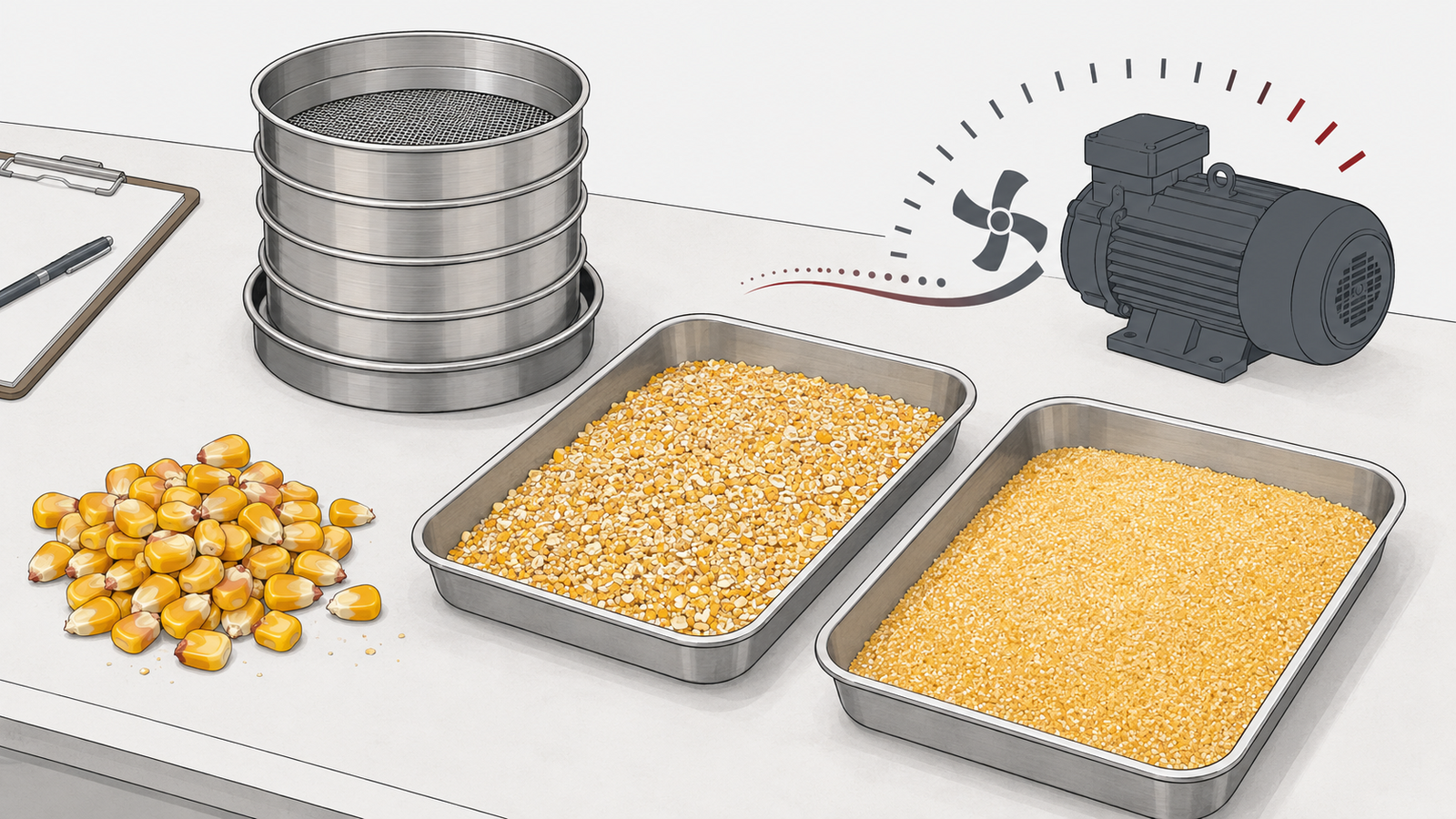
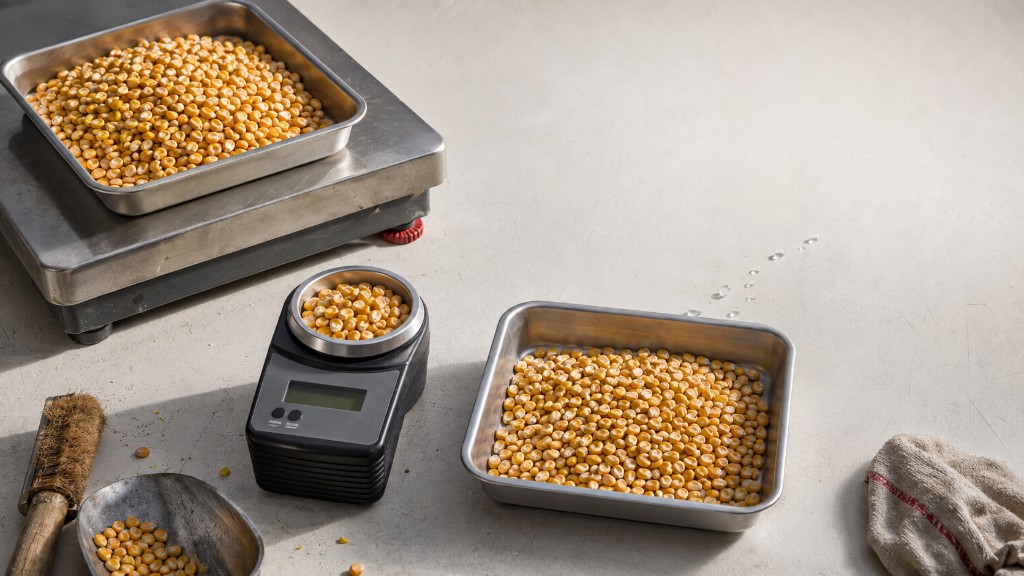
In a controlled finishing-pig study, reducing corn particle size from 1,000 to 400 µm improved gain per unit of feed by 8%, but it also increased grinding energy, reduced production rate and increased stomach lesions. The right target is a documented mill-and-animal compromise, not simply the finest grind available.
Courtesy of BarnX
Grain & Ingredients
A Two-Point Moisture Drop Costs More Than Two Percent of the Weight
If 100 tonnes of corn move from 15% to 13% moisture, the theoretical water shrink is 2.30 tonnes, not 2.00. Understanding that mass balance helps mills separate expected moisture loss from handling loss, measurement error and unexplained inventory variance.
Courtesy of BarnX
Mill Operations
The Smaller the Inclusion, the Bigger a Fixed Scale Error Becomes
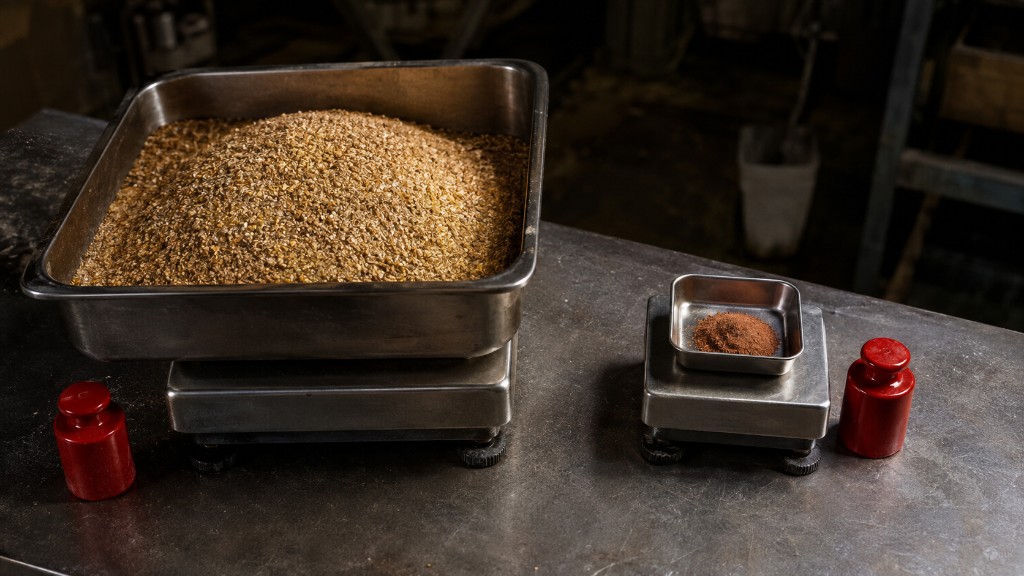
Scale accuracy is not one percentage that applies equally to every ingredient. Because relative deviation equals absolute weighing error divided by target weight, the same 1 kg error is 0.1% at 1,000 kg but 10% at 10 kg.
Courtesy of BarnX
Technology & Workflow
The Mill Is Automated. The Workflow May Not Be.
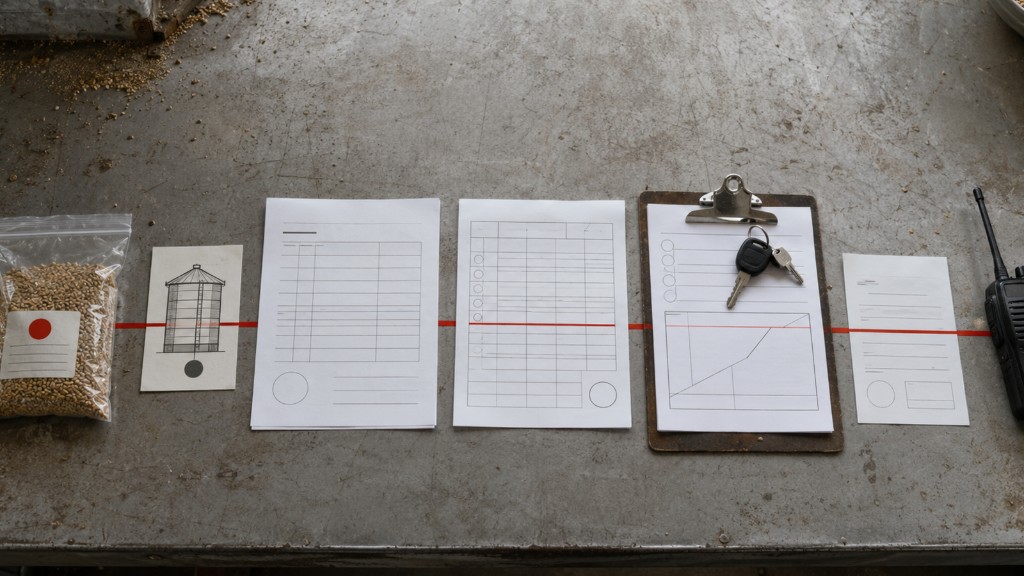
A feed mill can automate weighing, batching and loadout while customer orders, schedule changes, dispatch instructions and delivery confirmations still move through calls, paper, spreadsheets and memory. Connecting those handoffs can remove avoidable work and strengthen traceability, but only when the system exposes exceptions and preserves human control.
Courtesy of BarnX
Safety & Regulation
A Precise Mycotoxin Test Can Still Start with the Wrong Sample
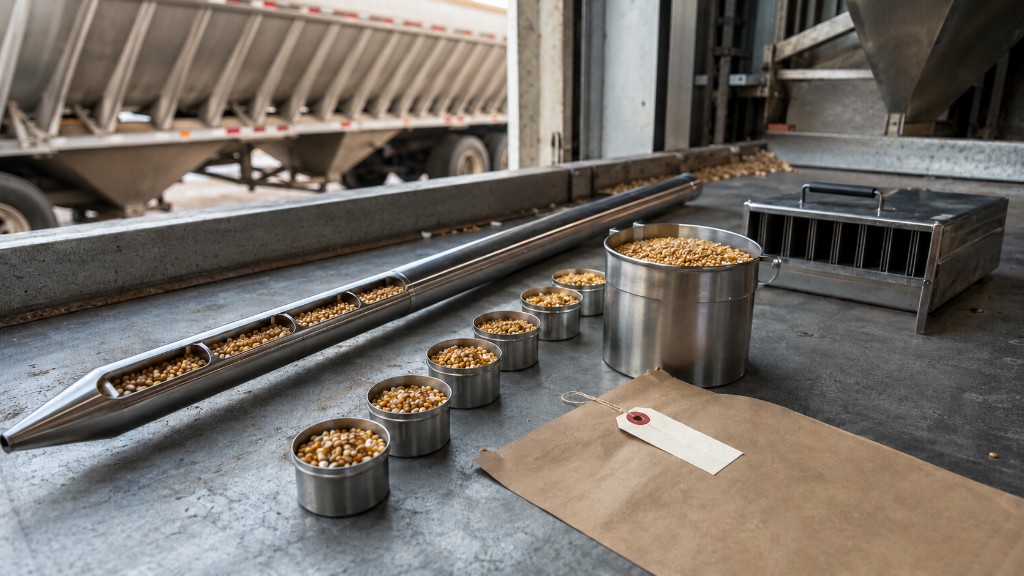
Mycotoxins are distributed unevenly, yet the laboratory may analyze only 10–50 g from a submitted specimen weighing several kilograms. A defensible result begins with increments collected across the lot, followed by careful compositing, grinding and mixing.
Courtesy of BarnX
Mill Operations
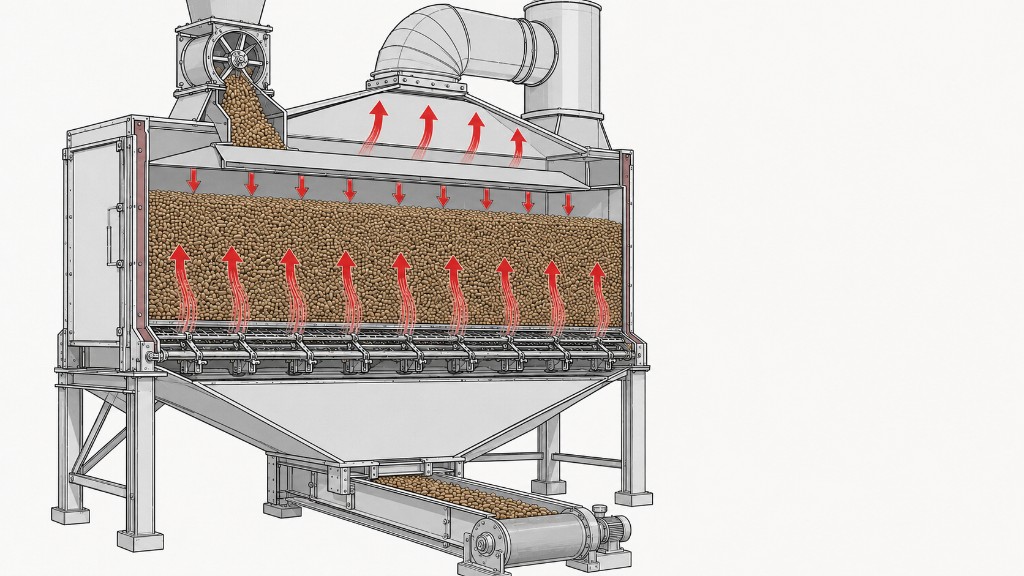
Pellet Cooling Has Two Targets: Temperature and Moisture
Cooling protects pellet quality and storage stability, but it also removes saleable water. A simple mass balance shows why mills should control outlet moisture and temperature together.
Courtesy of BarnX
Safety & Regulation
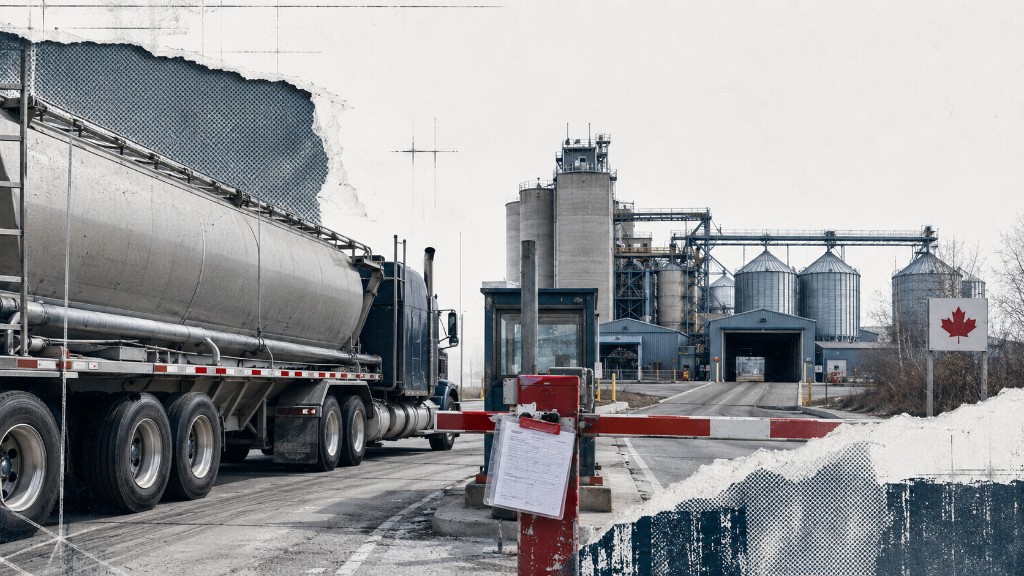
Canada’s Feed-Import Transition Is Over: What Mills Need to Check Now
Canada has ended the temporary transition that allowed certain single-ingredient feeds to enter using proof of exemption from registration. Feed mills using imported ingredients should now verify the product, licence holder and supporting records before committing the next load.

Courtesy of BarnX
Mill Operations
One Rush Order Can Break the Sequence
Feed sequencing is more than an efficient way to arrange the production board. When an urgent order changes the run, the mill must reassess the product, species and entire equipment path before the next batch enters the system.
Courtesy of BarnX
Feed & Livestock
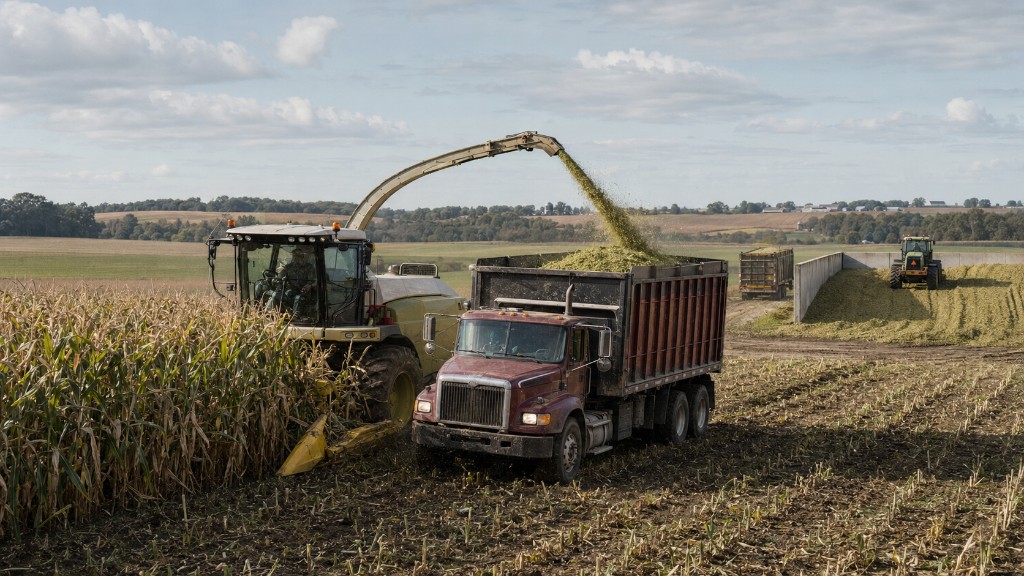
Corn Silage Harvest Is a Chain of Decisions, Not a Date
Corn silage quality cannot be repaired after the bunker is closed. As harvest approaches, farms should manage moisture, kernel processing, packing capacity, sealing and forage transition as one connected process.
Courtesy of BarnX
Mill Operations
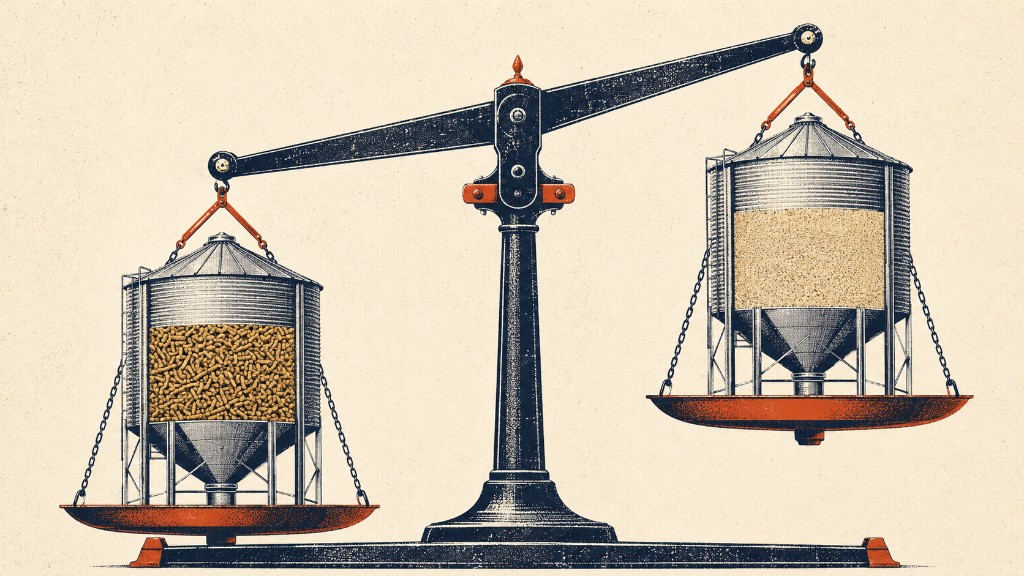
Why a “40-Tonne” Feed Bin Does Not Always Hold 40 Tonnes
A fixed bin volume can hold dramatically different tonnes when feed form and bulk density change. Mills that treat capacity as one permanent number risk split deliveries, overfills, and false inventory.
Courtesy of BarnX
Grain & Ingredients
More Corn, Firmer Prices: What Canadian Feed Mills Should Watch in 2026–27
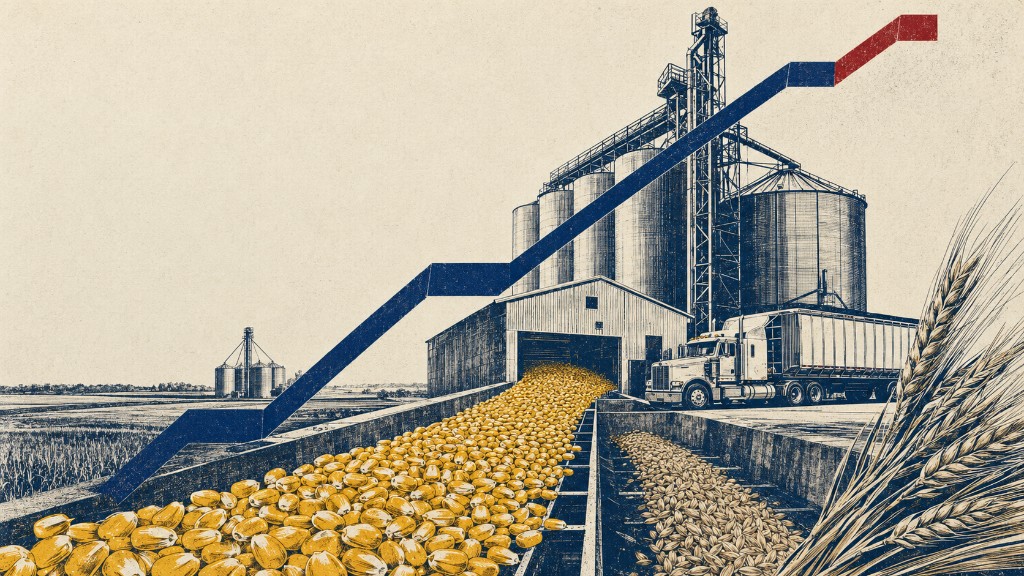
Canada is forecasting a larger corn crop and one of its biggest corn supplies on record, yet benchmark corn and feed-barley prices are still expected to rise. For feed mills, the real issue is how market changes move through purchasing, formulation, production and delivery.